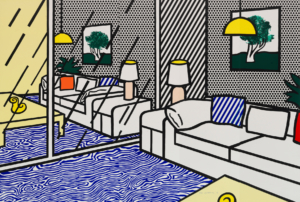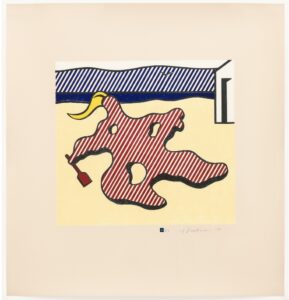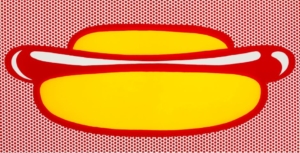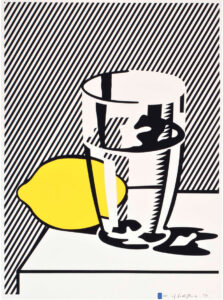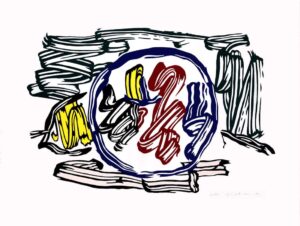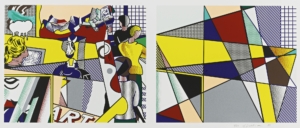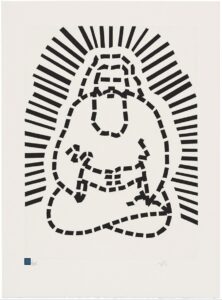

Illustration for 'Une Fenêtre ouverte sur Chicago', from La Nouvelle Chute de l'Amérique, 1992
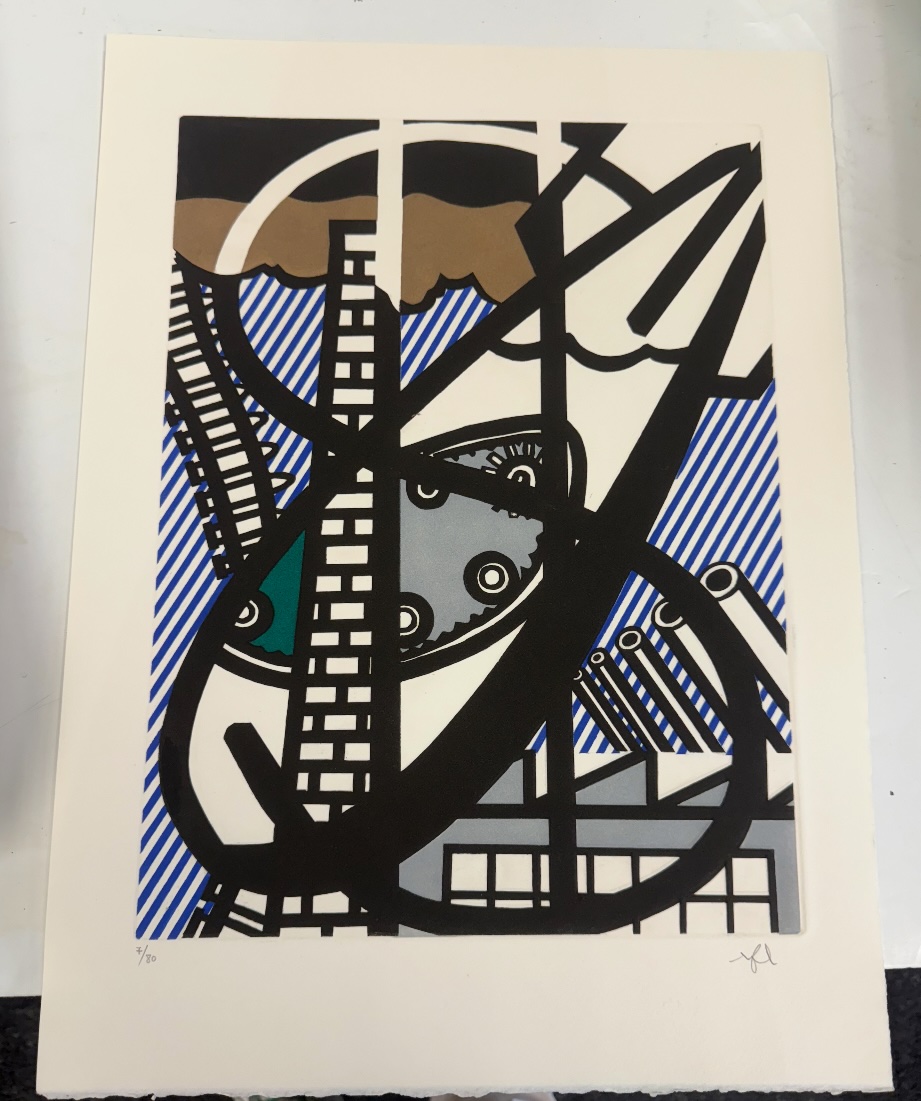
From an edition of 80
Signed, dated and numbered to lower edge
18 9/10 × 13 9/10 inches (48.1 × 35.3 cm.)
To create a similar listing log in or sign up.
Log in/sign upAll works are inspected prior to delivery, work will be sent out tracked and insured at buyers cost. If you'd like to make specific arrangements or discuss collection then please contact us directly.
Accepted: Wire transfer
ART PLEASE Assurance Policy: Every ART PLEASE seller has been approved by ART PLEASE after a thorough review. All of our sellers are required to accept the following ART PLEASE policy: A buyer may return an item purchased through ART PLEASE, if the item received is not as described in its listing, or is found to be unauthentic.
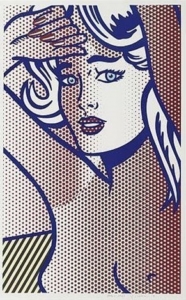
Roy Lichtenstein’s illustration for Une Fenêtre ouverte sur Chicago, created for La Nouvelle Chute de l’Amérique, exemplifies his ability to translate the visual language of modern urban life into a precise, graphic idiom. Drawing on architectural forms, structural grids, and industrial motifs, Lichtenstein reduces the cityscape to a series of bold outlines and flat color fields, transforming Chicago into an abstracted symbol of American modernity. The “open window” suggested in the title becomes both a literal and conceptual frame—inviting the viewer to look into a constructed vision of the city while simultaneously acknowledging the mediated nature of that view. As with much of Lichtenstein’s work for books and publications, the image balances clarity with complexity, functioning as both illustration and autonomous composition.
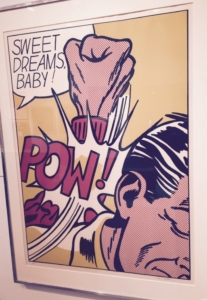
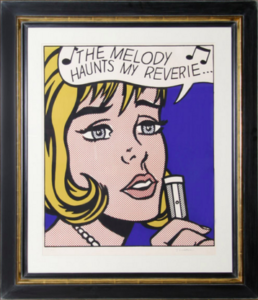
Produced within a literary and critical context, this work underscores Lichtenstein’s ongoing dialogue with modernism and mass communication beyond the comic-strip sources that first defined his Pop Art reputation. By engaging directly with themes of urban expansion, architecture, and cultural perception, the illustration aligns with his broader investigations into how images shape our understanding of place and identity. Une Fenêtre ouverte sur Chicago demonstrates Lichtenstein’s conviction that illustration could operate as a serious artistic practice, capable of distilling cultural narratives into concise visual form. It stands today as a refined example of his cross-disciplinary approach—where fine art, design, and literature intersect within a single, compelling image.