
Mao (F. & S. II.92), 1972
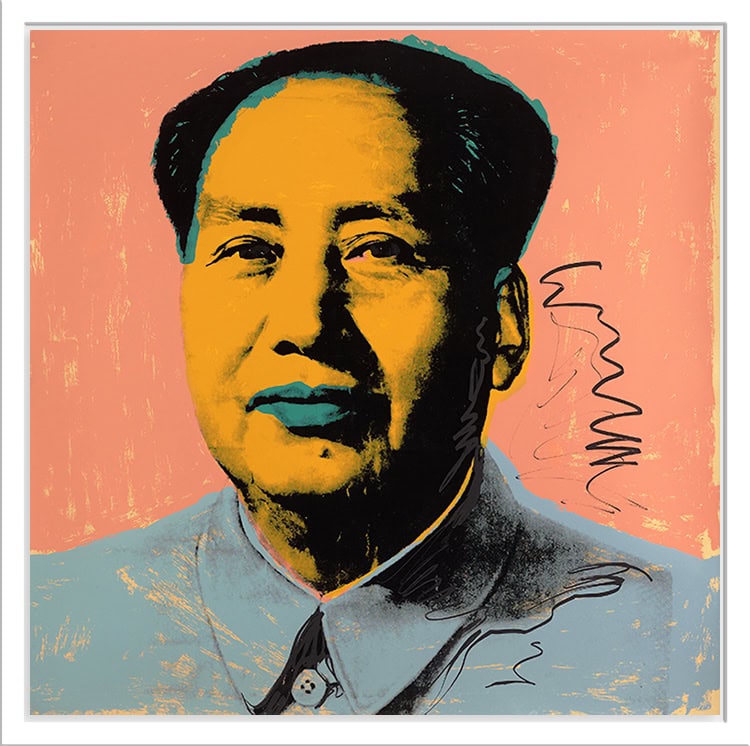
36 x 36 inches (91.6 x 91.6 cm.)
All works are inspected prior to delivery, work will be sent out tracked and insured at buyers cost. If you'd like to make specific arrangements or discuss collection then please contact us directly.
Accepted: Wire transfer
ART PLEASE Assurance Policy: Every ART PLEASE seller has been approved by ART PLEASE after a thorough review. All of our sellers are required to accept the following ART PLEASE policy: A buyer may return an item purchased through ART PLEASE, if the item received is not as described in its listing, or is found to be unauthentic.
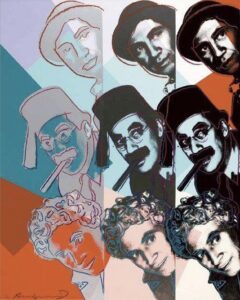
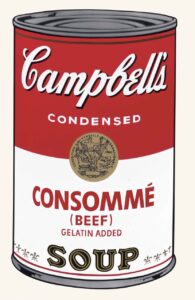
Andy Warhol’s work is inseparable from his exploration of fame, power, and mass reproduction, themes that defined both his artistic practice and his vision of contemporary culture. Emerging from the Pop Art movement in the early 1960s, Warhol blurred the boundaries between high art and popular imagery by adopting techniques associated with commercial printing, most notably silkscreen. His work often centered on widely recognizable figures—movie stars, consumer products, and political leaders—presented in serial formats that emphasized repetition, detachment, and the mechanics of image circulation. By doing so, Warhol challenged traditional ideas of originality and authorship, suggesting that meaning in modern society is shaped as much by media saturation and reproduction as by individual expression.
Warhol’s Mao series, first produced in 1972, exemplifies these concerns through its focus on Mao Zedong, one of the most reproduced political images of the twentieth century. Using a propaganda portrait as his source, Warhol transformed Mao’s likeness into a bold, confrontational image through exaggerated color, painterly marks, and repeated variations across editions. The resulting prints oscillate between reverence and irony, turning a symbol of communist authority into a commodified Pop icon. In presenting Mao through the same visual language he used for celebrities, Warhol collapses distinctions between political power and celebrity culture, highlighting how ideology, image, and mass media converge in the construction of modern identity.