
African Elephant (Endangered Species), 1983
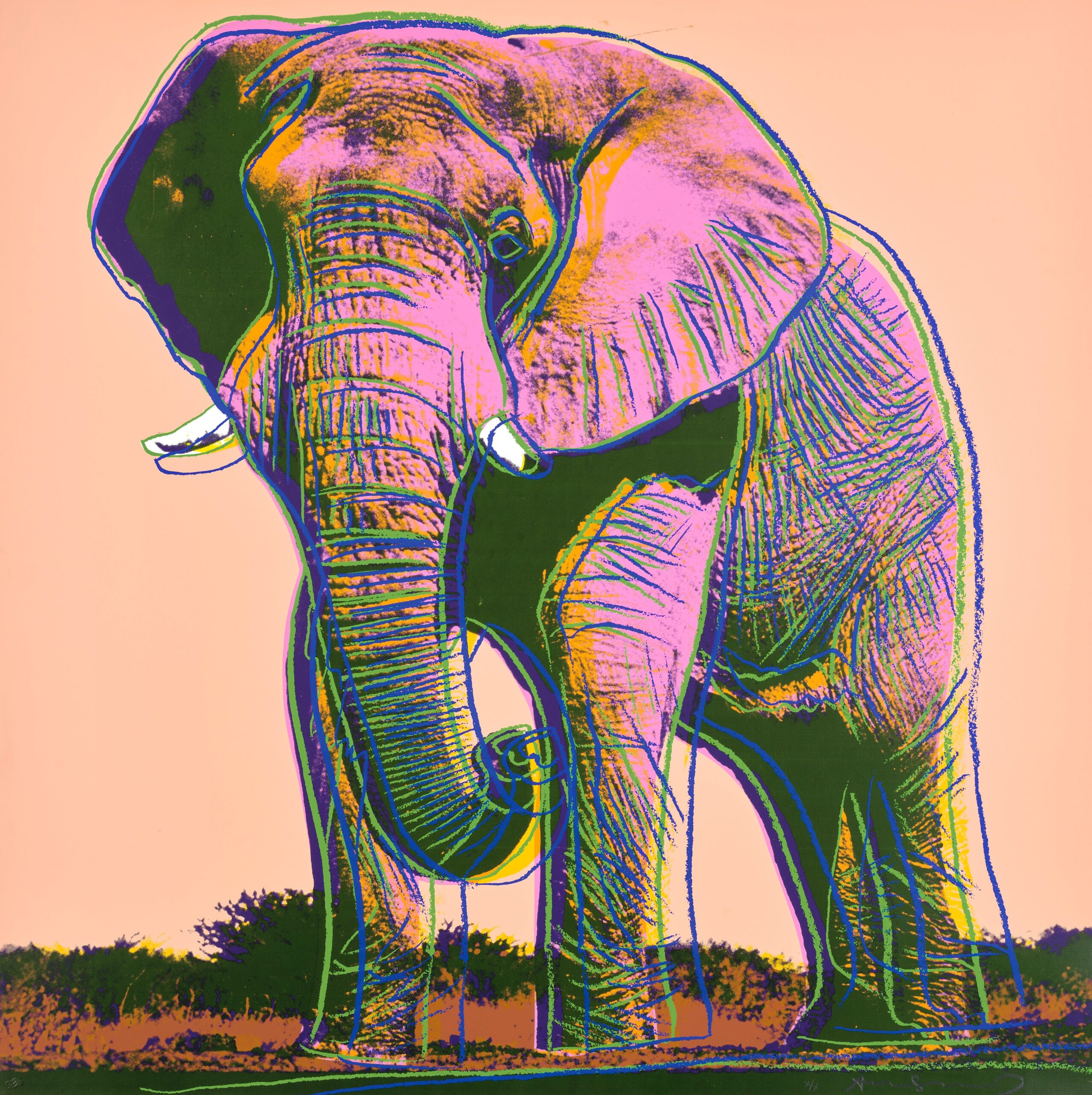
Numbered and signed from an edition of 150, with publishers stamp on the reverse, published by Ronald Feldman Fine Arts, Inc., with printer's blind stamp lower left, printed by Rupert Jasen Smith, New York
38 x 38 inches (96.5 x 96.5 cm.)
To create a similar listing log in or sign up.
Log in/sign upAll works are inspected prior to delivery, work will be sent out tracked and insured at buyers cost. If you'd like to make specific arrangements or discuss collection then please contact us directly.
Accepted: Wire transfer
ART PLEASE Assurance Policy: Every ART PLEASE seller has been approved by ART PLEASE after a thorough review. All of our sellers are required to accept the following ART PLEASE policy: A buyer may return an item purchased through ART PLEASE, if the item received is not as described in its listing, or is found to be unauthentic.
Andy Warhol, the legendary pioneer of the Pop Art movement, is widely recognized for transforming familiar imagery into bold and culturally significant works of art. In 1983, Warhol created his celebrated “Endangered Species” series, a portfolio dedicated to raising awareness about animals threatened with extinction. Among the most visually commanding works from the series is “African Elephant,” a striking screenprint that exemplifies Warhol’s unmistakable aesthetic through vivid color combinations, dramatic line work, and graphic repetition. By elevating the elephant into the realm of Pop Art iconography, Warhol combines visual spectacle with a deeper message surrounding environmental preservation and humanity’s relationship with the natural world.
Warhol’s “African Elephant” serves as both a captivating artistic composition and a poignant statement on conservation. Long regarded as a symbol of strength, intelligence, and majesty, the elephant is reimagined through Warhol’s energetic palette and contemporary visual language, giving the subject a renewed sense of urgency and relevance. The work reflects Warhol’s unique ability to merge commercial aesthetics with meaningful social commentary, encouraging viewers to consider the vulnerability of even the world’s most powerful creatures. Through “African Elephant,” Warhol demonstrates that art can transcend pure visual appeal and become a vehicle for awareness, activism, and cultural reflection, reinforcing his legacy as one of the most influential and socially conscious artists of the twentieth century.